Furnaces & Heating
Furnace repair in the Kansas City metro
When a gas furnace won't heat, the usual causes are a dirty flame sensor, a failed hot-surface ignitor, a blocked condensate line or flue, a tripped limit switch from a clogged filter, or a failed inducer or blower motor. A technician reads the control board's error code, tests the parts and quotes the repair.
- Same-day service when a technician is available
- Serving the Kansas City metro
- Quote before work
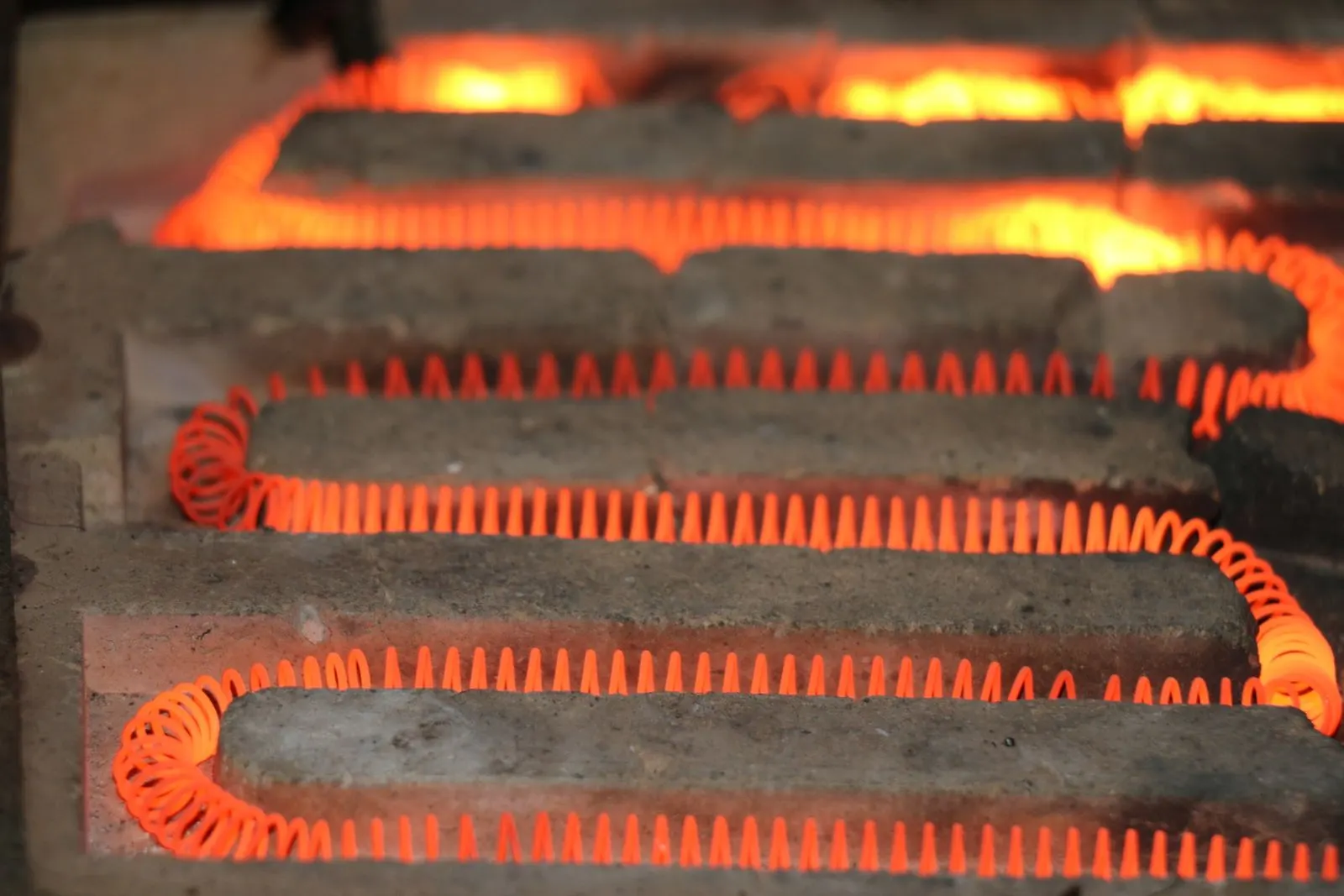
Kansas City winters swing from mild days to arctic blasts that drop below zero, and the first cold snap in November brings a wave of furnaces that haven't run since spring. Flame sensors and ignitors are the most common failures.
High-efficiency furnaces drain condensate through plastic lines that can freeze where they exit the house, which shuts the furnace down in the coldest weather. If your furnace stops during a deep freeze, that line is worth checking.
Furnace repair at a glance
- Most common fix
- Flame sensor cleaning or ignitor replacement
- Busiest months
- November through February
- Gas smell
- Leave and call the gas utility first
- CO
- Every home with a furnace needs CO alarms
Signs you need furnace repair
- Furnace starts, then shuts off within a minute
- Blower runs but air is cold
- Clicking with no ignition
- Flashing light code on the control board
- Rattling, squealing or booming at startup
How the technician handles it
- 1
Safety first
The technician checks for gas leaks and carbon monoxide before anything else.
- 2
Diagnose
They read the fault code and test the ignitor, flame sensor, pressure switch and limits.
- 3
Repair
Common parts are replaced on the spot, and you approve the price first.
- 4
Test
They verify ignition, gas pressure, temperature rise and venting.
What affects the cost
Prices depend on what the technician finds, so the contractor quotes on site. These are the main factors:
- Part that failed (flame sensor vs. inducer motor vs. control board)
- Furnace age and parts availability
- Nights, weekends and holidays
- Heat exchanger condition
What you can do, and when to stop
Safe to do yourself
- Replace the filter
- Check that the furnace switch and breaker are on
- Make sure the front panel is seated
- Clear snow from the intake and exhaust pipes outside
Call a technician
- Any gas smell: leave and call Spire or Kansas Gas Service
- Removing gas valves or burners
- Bypassing a safety switch
Frequently asked questions
Why does my furnace keep shutting off?
Short cycling usually points to a dirty flame sensor, a clogged filter tripping the high-limit switch, or a blocked vent or condensate line.
What do I do if I smell gas?
Leave the house without flipping switches and call your gas utility's emergency line from outside. Spire serves most of the Missouri side and Kansas Gas Service most of the Kansas side.
Is a cracked heat exchanger dangerous?
It can let combustion gases, including carbon monoxide, into the air stream. A technician who finds one will usually shut the furnace off, which is the correct call.
Furnace repair across Kansas City
Related services
Guides
Need furnace repair in Kansas City?
Same-day service when a technician is available. One call connects you with a licensed HVAC contractor who serves your ZIP.